
What we build.
Four kinds of job make up most of our work. Each one has a different failure mode, and knowing which one you are dealing with early changes what it costs.
Digging down in a village core
The standard Maltese development problem. Parking and plant have to go underground because there is nowhere else for them, the site is bounded on two or three sides by occupied buildings, and there is no room to batter the excavation back.
The answer is an embedded retaining wall installed from the boundary, propped in a designed sequence, with movement monitored on the neighbouring structures throughout. The wall goes in before the dig starts, not as a response to something moving.
Secant or contiguous wall retention, capping beam, propping and bulk excavation, followed by the reinforced concrete substructure.
CFA or rotary bored piles to the engineer’s schedule, pile caps and ground beams cast to detail.

Micropiled underpinning to settled structures, executed from inside the building with monitoring on both sides of any party wall.
Working next to somebody’s home
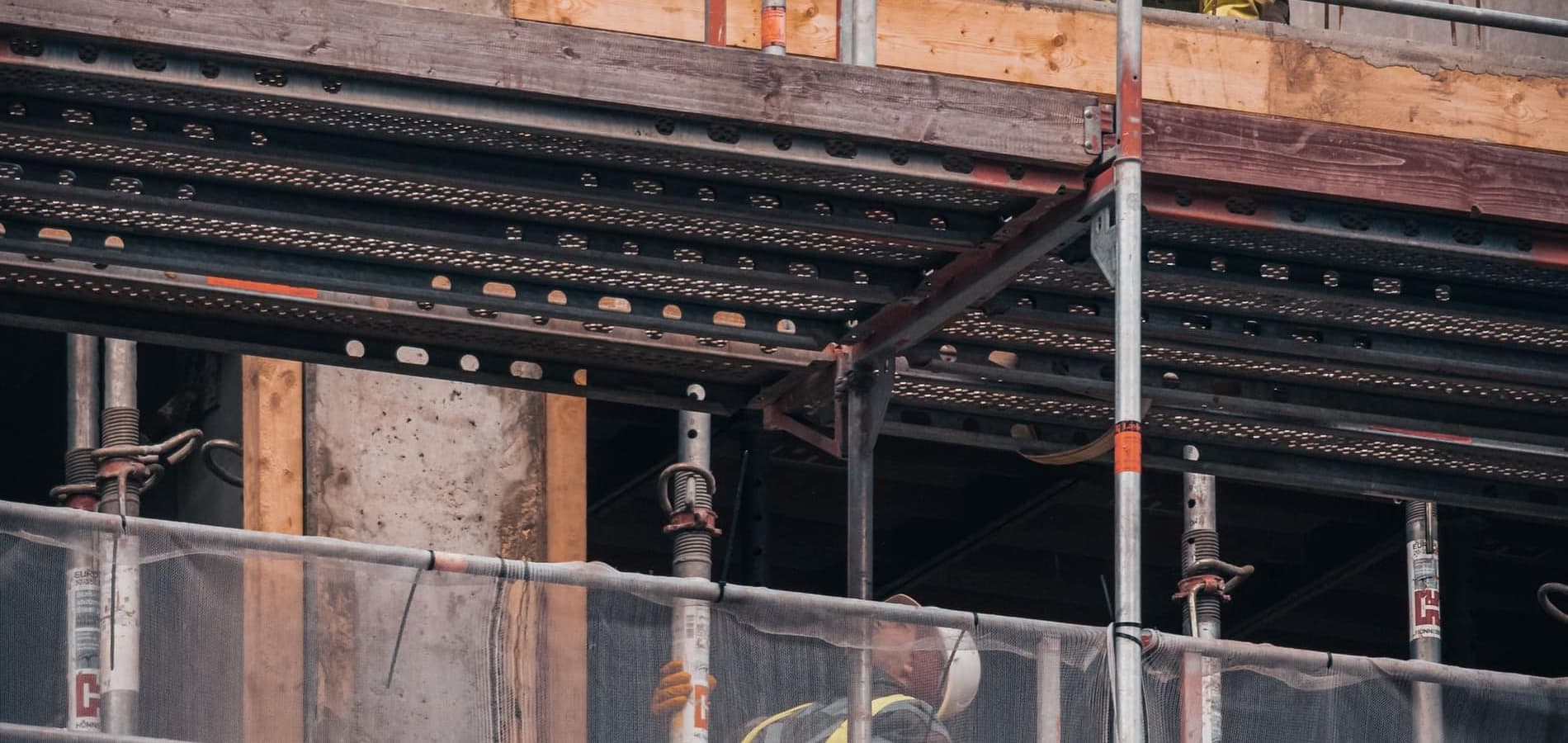
On most of our sites there is an occupied building within a few metres of the work. That shapes the method more than the engineering does: working hours, plant selection, vibration limits, and a condition survey agreed with the neighbour before anything starts.
It is slower than working on an open site. It is considerably faster than stopping halfway through to deal with a dispute.
From first call to handover
Survey and review
We visit the site, read the ground investigation and the drawings, and identify what is missing before we price.
Method and programme
Method statement, temporary works coordination and a programme that states what each stage depends on.
Mobilisation
Access, plant, condition surveys on neighbouring structures and monitoring instrumentation installed before work begins.
Execution
Piling, retention, excavation and concrete in the designed sequence, with monitoring reviewed against trigger levels throughout.
Records and handover
As built records, pile logs, test results and monitoring data issued as a set.