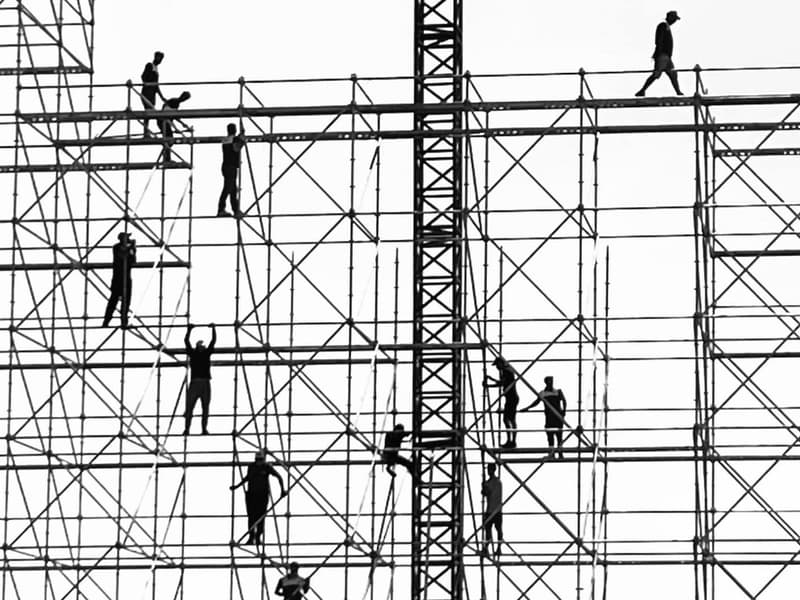
Reinforced concrete tying the piles into the structure above, cast to detail and tolerance.
Capabilities
What we put in the ground.
Five disciplines, one crew. Most jobs use more than one, and the interfaces between them are the part we take off your hands.
01. Piling
Bored and CFA
Continuous flight auger piling is the workhorse. It is fast, it generates little vibration, and it suits the mixed strata found across the islands. Where rockhead is shallow and variable we switch to rotary bored with temporary casing rather than force the rig and hope.
Pile schedules are set against the ground investigation for your site. Where that investigation is thin, we will say so before pricing rather than discover it at pile twelve.
▸
CFA piles
Low vibration, no temporary casing, high output on open sites. The default where ground conditions allow it.
bearing piles▸
Rotary bored piles
Cased where required, for variable rockhead and deeper rock sockets.
cased▸
Pile testing
Integrity and static load testing arranged to the engineer’s specification and witnessed as required.
to specification02. Retention
Embedded retaining walls
On a Maltese village site there is rarely room to batter an excavation back. The wall has to hold the ground, and the building behind it, from the boundary line.
Secant where the excavation needs to resist water and the retained ground is weak. Contiguous where it does not. Propping and anchoring designed with the temporary works engineer and installed in the sequence the design assumed, which is the part that goes wrong when piling and excavation are let to different contractors.
03. Restricted access
Micropiling and underpinning
Settlement in an existing building, a new floor added to an old structure, or a basement dug next door years ago that nobody monitored. The remedy is usually micropiles, installed from inside on plant that fits through a standard opening and works under low headroom.
Historic and scheduled properties need the relevant consents in place before a rig arrives. We will tell you which ones apply at survey stage rather than after mobilisation.
▸
Micropiles
Drilled and grouted, in restricted headroom and through existing slabs.
restricted access▸
Underpinning
Traditional mass concrete or piled needle beam schemes, to the structural engineer’s design.
by design▸
Party wall work
Executed with an agreed condition survey and movement monitoring on both sides of the boundary.
monitored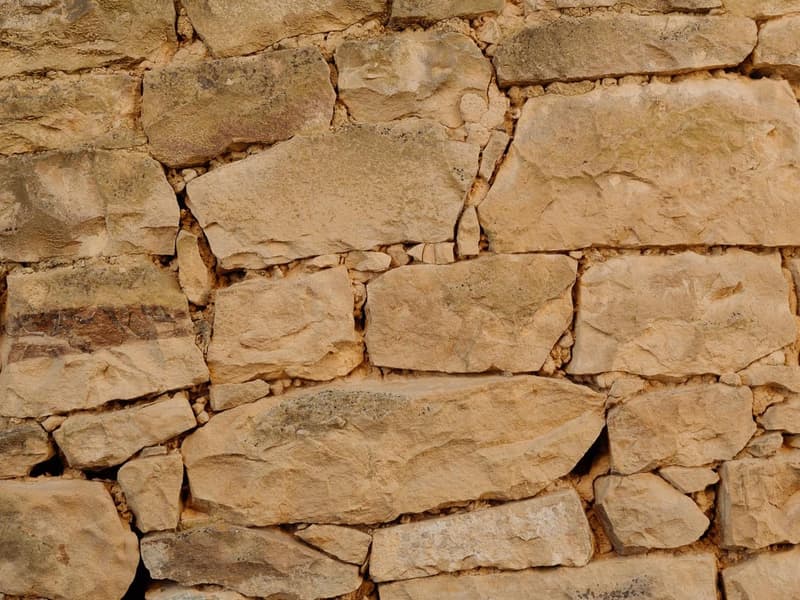
04 and 05. Excavation and civils
Rock out, concrete in
Once the ground is held, the hole still has to come out and the substructure still has to go in. Mechanical excavation and controlled breaking through Globigerina and Coralline limestone, sequenced to the temporary works design and with vibration limits agreed against neighbouring structures.
Then pile caps, ground beams, retaining structures and basement slabs, cast to the engineer’s detail and tolerance.
Civil and structural works
Finishing the substructure
Pile caps and ground beams
Retaining structures
Reinforced concrete retaining walls, capping beams and basement slabs.
Drainage and services
Below slab drainage and service entries coordinated with the substructure rather than cut in afterwards.
Backfill and reinstatement
Compacted backfill and reinstatement of the working area on completion.
Not sure which of these your site needs?
That is what the survey is for. Send us the drawings and whatever ground information exists.
Request a site survey